
How to Use AI Responsibly (Beginner Safety Guide)
Learn how to use AI tools safely and responsibly with our beginner-friendly guide. Understand risks, ethics, and best practices for AI usage in daily life and work.


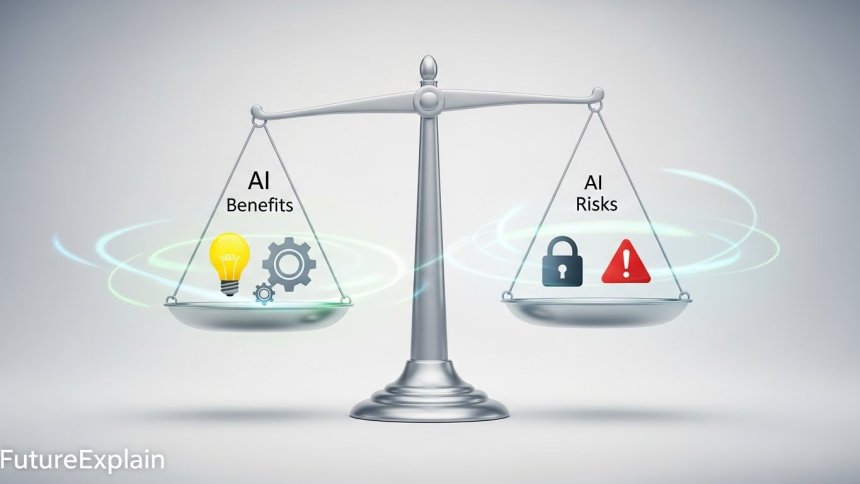

Introduction: Why Responsible AI Use Matters
Artificial Intelligence is no longer a distant concept from science fiction; it's a practical tool that many of us use daily. From real-life examples like recommendation systems to advanced chatbots, AI is embedded in our digital lives. However, with great power comes great responsibility. As beginners, it's crucial to understand how to use AI tools safely and ethically to avoid unintended consequences.
This guide is your starting point for responsible AI usage. We'll break down complex ideas into simple terms, focusing on practical steps you can take today. Whether you're a student using AI for research, a small business owner exploring automation, or simply a curious individual, this article will help you navigate the AI landscape with confidence and care.
Understanding the Risks: What Can Go Wrong with AI?
Before diving into responsible practices, it's important to recognize the potential risks associated with AI. These aren't meant to scare you, but to inform you so you can make better decisions.
Bias and Fairness
AI systems are trained on data created by humans, and they can inherit and even amplify human biases. For example, if an AI hiring tool is trained on historical data that favored certain demographics, it might unfairly disadvantage others. This is why understanding fairness and bias in AI is critical for ethical use.
Privacy and Data Security
Many AI tools require you to input personal or sensitive data. If not handled properly, this data could be misused, leaked, or sold without your consent. Protecting your privacy should be a top priority when using any AI application.
Misinformation and Deepfakes
AI can generate realistic text, images, and videos, making it easier to create convincing fake content. This can spread misinformation, harm reputations, and erode trust. As a user, you need to be vigilant about verifying information from AI sources.
Dependency and Skill Erosion
Over-reliance on AI tools might lead to a decline in your own critical thinking or creative skills. It's essential to use AI as an assistant, not a replacement, for your cognitive abilities.
Core Principles of Responsible AI Use
To use AI responsibly, adhere to these foundational principles. They serve as a moral compass for your interactions with AI technologies.
Transparency and Explainability
Always seek to understand how an AI tool works. If a decision affects you significantly—like a loan approval or medical diagnosis—you have the right to know the basis for that decision. Prefer tools that provide clear explanations over "black box" systems.
Accountability and Human Oversight
Remember that AI is a tool, and humans are ultimately responsible for its outcomes. Don't blindly trust AI outputs; always review and validate them, especially in high-stakes situations. This aligns with the concept of intelligent automation where humans and AI collaborate.
Fairness and Inclusivity
Ensure that your use of AI doesn't discriminate against any group. Be mindful of the data you provide and the contexts in which you deploy AI. Promoting inclusivity helps build a more equitable technology landscape.
Privacy by Design
Choose AI tools that prioritize data protection from the ground up. Look for features like end-to-end encryption, minimal data collection, and clear privacy policies. Your personal information should be safeguarded at all times.
Practical Safety Tips for Beginners
Now, let's move from theory to practice. Here are actionable steps you can take to use AI responsibly in your daily activities.
1. Start with Trusted Tools
Begin your AI journey with well-established, reputable tools. For recommendations, check out our list of best free AI tools for non-technical users. These platforms often have stronger safety measures and community support.
2. Read the Terms of Service and Privacy Policies
It might be tedious, but skimming through the terms can reveal how your data will be used. Pay attention to clauses about data sharing, retention, and ownership of generated content.
3. Limit Personal Data Sharing
When using AI tools, avoid inputting sensitive information like social security numbers, financial details, or private health records unless absolutely necessary and with guaranteed security.
4. Verify AI-Generated Content
Don't take AI outputs at face value. Cross-check facts with reliable sources, especially for important decisions. This is crucial in combating AI myths and misconceptions about its capabilities.
5. Use AI to Enhance, Not Replace, Human Judgment
Leverage AI for tasks like drafting emails, analyzing data, or generating ideas, but always apply your own critical thinking to final outputs. This balance is key to preserving human creativity and judgment.
6. Stay Informed About AI Developments
The field of AI is rapidly evolving. Keep learning about new risks and best practices by following educational resources. Our guide on how to start learning AI can help you stay updated.
How to Evaluate an AI Tool for Responsible Use
Not all AI tools are created equal. Here's a simple checklist to assess whether an AI tool is safe and ethical to use.
- Reputation: Is the developer or company known for ethical practices? Look for reviews and news articles.
- Transparency: Does the tool explain how it works and what data it uses?
- Privacy Features: Are there options to control data collection and deletion?
- Bias Mitigation: Has the tool been audited for bias? Does it provide diversity in outputs?
- User Support: Is there accessible customer service or documentation for safety concerns?
- Compliance: Does it adhere to relevant regulations like GDPR or CCPA?
For business contexts, consider exploring AI use cases for small businesses that emphasize responsible implementation.
Case Studies: Responsible AI in Action
Learning from real-world examples can solidify your understanding. Here are two scenarios illustrating responsible and irresponsible AI use.
Case Study 1: A Student Using AI for Research
Maria, a university student, uses an AI writing assistant to help draft her papers. She follows responsible practices by:
- Using the tool only for brainstorming and initial drafts, not for final content.
- Citing sources properly and verifying all facts generated by the AI.
- Avoiding inputting confidential research data into the tool.
- Checking the tool's privacy policy to ensure her work isn't stored or used without permission.
This approach aligns with how AI helps students productively while maintaining academic integrity.
Case Study 2: A Small Business Using AI for Customer Service
TechGadgets Inc. implements an AI chatbot for customer support. They ensure responsibility by:
- Training the chatbot on diverse data to avoid biased responses.
- Clearly informing customers that they are interacting with an AI.
- Having human agents oversee complex or sensitive inquiries.
- Regularly auditing the chatbot's interactions for accuracy and fairness.
This reflects principles from our article on AI in customer support.
Navigating Ethical Dilemmas in AI
Sometimes, you might face tough choices when using AI. Here are common ethical dilemmas and how to approach them.
Should I Use AI to Automate Decisions That Affect People?
If the decision impacts someone's life, job, or well-being, always maintain human oversight. Use AI to provide insights, but let humans make the final call. This is especially relevant in discussions about AI replacing humans.
What If I Discover Bias in an AI Tool I'm Using?
Report it to the developer immediately. If possible, switch to a more equitable tool. Your feedback can drive improvements in AI systems.
How Do I Balance Convenience with Privacy?
Opt for tools that offer privacy-enhancing features, even if they're slightly less convenient. Long-term safety is worth the trade-off.
The Future of Responsible AI
As AI technology advances, so will the frameworks for its responsible use. Staying proactive is key. Explore future AI trends to anticipate new challenges and opportunities. Additionally, consider how automation evolves in businesses with ethical considerations.
Conclusion: Your Role in Shaping a Responsible AI Future
Using AI responsibly isn't just about avoiding harm; it's about actively contributing to a technology ecosystem that is fair, transparent, and beneficial for all. By applying the principles and tips in this guide, you're not only protecting yourself but also promoting ethical standards in the digital world.
Remember, responsibility starts with education. Continue learning by reading our guide on AI safety and ethics, and explore skills to stay relevant in the AI era. Together, we can harness the power of AI while upholding our values.
For more practical steps, don't miss our beginner tutorials and automation how-to guides to implement these practices effectively.
Share
What's Your Reaction?
 Like
420
Like
420
 Dislike
8
Dislike
8
 Love
150
Love
150
 Funny
30
Funny
30
 Angry
5
Angry
5
 Sad
10
Sad
10
 Wow
75
Wow
75


















I've read several AI safety guides, but this one stands out for its clarity and actionable steps. Well done!
The images alt text is descriptive—good for accessibility. Kudos for including that.
I shared this with my tech-savvy friends, and we're discussing it over coffee. Great conversation starter!
The ethical dilemmas part made me think about my own use of AI for investing. Time to review my strategies.
As a student, I'm saving this for reference. The checklist is going on my wall!
The future section links to your AI trends article—nice way to keep readers engaged. I'll check that out next.