
Human plus AI Collaboration: Redesigning Work for Productivity
This guide moves beyond the fear of replacement to show how human-AI collaboration actively redesigns work for greater productivity and fulfillment. We explain what true collaboration looks like across different industries and team structures, providing a clear framework to allocate tasks between human strengths and AI capabilities. You'll find a curated list of practical, beginner-friendly tools for automation, analysis, and creativity, along with a step-by-step 12-week implementation plan. The article also addresses common psychological and organizational challenges, offering strategies to build trust, ensure ethical use, and measure the real impact of integrating AI into your workflow. This is a practical blueprint for thriving in the evolving workplace.


Human plus AI Collaboration: Redesigning Work for Productivity
If 2024 taught us anything about technology and work, it’s this: the biggest shift isn't about new tools, but about new partnerships. This year, discussions moved decisively from "Will AI take my job?" to "How can AI help me do my job better?" Research reflecting on workplace changes noted that a significant portion of professionals saw their work transformed by AI, with many reporting it led to "new unlocks of productivity" they couldn't have achieved alone[citation:2].
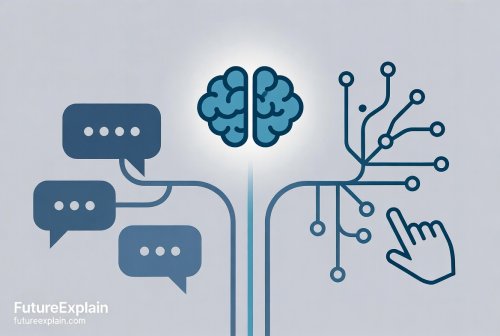
The most successful teams and businesses aren't those avoiding AI, but those strategically redesigning work around a simple, powerful formula: Human + AI. This collaborative model combines the unique strengths of both—human creativity, ethics, and emotional intelligence with AI's speed, data processing, and pattern recognition[citation:1]. The goal is no longer just automation, but augmentation, creating a whole that is greater than the sum of its parts.
This final guide of 2024 is your practical blueprint for this new reality. We'll move past the hype to provide clear frameworks, actionable tools, and realistic steps to integrate AI as a collaborative partner, boosting your productivity and reshaping your work for the better.
Why Collaboration, Not Replacement, Is the Real Story
The narrative of AI as a pure job-eliminator is not only anxiety-inducing but increasingly inaccurate. The real transformation is subtler and more profound: AI is changing the nature of tasks within jobs. According to industry analysis, while nearly all companies are investing in AI, very few consider themselves mature in its deployment. The largest barrier often isn't the technology or even employee readiness—it's leadership's ability to steer and integrate these tools effectively[citation:4].
This creates a massive opportunity. By learning to collaborate with AI, you position yourself not as a potential victim of change, but as an essential driver of it. This collaboration offers tangible benefits:
- Enhanced Efficiency and Productivity: AI handles repetitive, time-consuming, or data-heavy tasks. This isn't just about speed; it's about freeing up the most valuable resource—human attention—for higher-order thinking. One report notes that sectors using AI are seeing notable gains in labor productivity[citation:1].
- Improved Decision-Making: AI can analyze vast datasets to spot patterns, predict trends, and surface insights invisible to the human eye. However, it's human judgment that contextualizes these insights, weighs ethical implications, and makes the final call[citation:1].
- Unlocking Creativity and Innovation: With AI managing routine work, humans have more cognitive bandwidth for creative problem-solving, strategic planning, and exploring new ideas. As one professional noted, AI freed up time to "experiment, innovate, and try new ideas"[citation:1].
The future of work is a partnership. As George Hanson, Chief Digital Officer at Mattress Firm, stated, "The value I see in AI is as an aid to humans, as opposed to replacement of humans"[citation:1]. The question is no longer *if* you'll work with AI, but *how well*.
A Practical Framework for Human-AI Collaboration
Effective collaboration requires a clear understanding of who does what best. Throwing AI at every problem leads to frustration, while underestimating its potential leaves value on the table. Use this framework to thoughtfully divide labor.
What Humans Do Best (The Irreplaceable Core)
- Strategic Thinking & Vision: Setting long-term goals, understanding broad market context, and defining what success looks like.
- Creativity & Ideation: Generating truly novel ideas, making unexpected connections, and artistic expression.
- Emotional Intelligence (EQ): Empathy, building trust, managing team dynamics, motivating others, and nuanced customer communication.
- Ethical Reasoning & Judgment: Making calls in morally gray areas, ensuring fairness, and taking responsibility for outcomes.
- Contextual Understanding: Applying deep institutional knowledge, understanding unwritten rules, and navigating complex social or political landscapes.
What AI Excels At (The Powerful Assistant)
- Processing Vast Amounts of Data: Analyzing thousands of documents, customer interactions, or data points in seconds.
- Pattern Recognition & Prediction: Identifying trends, forecasting outcomes, and flagging anomalies (e.g., fraud detection).
- Automating Repetitive Tasks: Data entry, scheduling, generating routine reports, and sorting information.
- Rapid Drafting & Summarization: Creating first drafts of text, summarizing long meetings or reports, and translating languages.
- 24/7 Consistency: Providing constant monitoring (e.g., for system security) or always-available customer query handling.
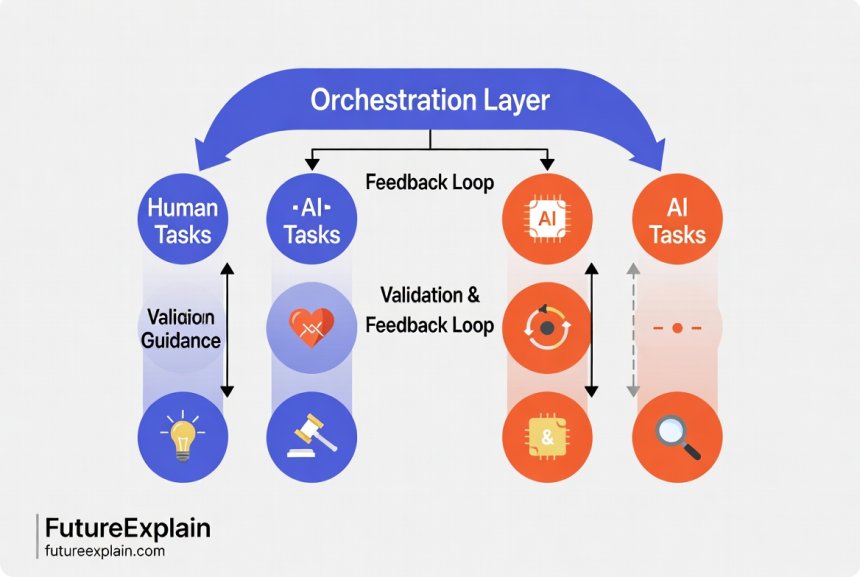
The Orchestration Layer: The Human in the Loop
The magic happens in the handoff. This is not a "set it and forget it" model. The most effective systems are built with a human-in-the-loop architecture. For example, in professional services, firms like A&O Shearman use AI to draft contracts in minutes, but a senior lawyer must review, adjust, and sign off on every document before it goes to a client[citation:10].
Your role becomes that of a conductor and editor: you define the task, evaluate the AI's output, add crucial context and nuance, and make the final decision. This leverages AI's scale while safeguarding quality and accountability.
Collaboration in Action: Industry Use Cases
This partnership model is already transforming specific fields, offering a preview of what's possible in many roles.
- Healthcare: AI algorithms analyze medical images (X-rays, MRIs) to highlight potential areas of concern. The doctor then reviews these highlights, confirms a diagnosis, and—crucially—explains the findings and treatment options to the patient with empathy[citation:1].
- Marketing: AI segments customer lists and generates initial drafts of marketing copy or social media posts. The human marketer injects brand voice, strategic direction, and creative flair, ensuring the campaign resonates on a human level[citation:1][citation:10].
- Customer Support: AI chatbots handle frequent, simple queries (order status, password reset). Complex, sensitive, or frustrated customer issues are seamlessly escalated to a human agent, who has the emotional intelligence to resolve them[citation:1][citation:7].
- Legal & Professional Services: As seen with firms like Avantia Law and Bain, AI platforms rapidly research case law, draft documents, and analyze data. The lawyer or consultant applies expert judgment, strategic advice, and manages the client relationship[citation:10].
Building Your Collaboration Toolkit: Essential Skills for 2024
To thrive in this new environment, certain skills become non-negotiable. These aren't about becoming a machine learning engineer, but about being an effective partner to intelligent systems.
- AI Translation & Prompt Crafting: The ability to clearly communicate your needs to an AI. This goes beyond simple queries to crafting detailed prompts that guide the AI toward useful, nuanced outputs. It's the modern equivalent of giving clear instructions to a teammate.
- Critical Evaluation & "Fact-Checking": AIs can "hallucinate" or produce biased information. You must develop a keen eye for verifying AI-generated content, checking sources, and identifying potential inaccuracies[citation:1]. Think of yourself as the editor and fact-checker for your AI assistant.
- Data Literacy: You don't need to be a data scientist, but understanding the basics of how data is structured, gathered, and interpreted is crucial. This allows you to ask better questions of AI tools and understand the limitations of their insights[citation:1].
- Adaptability & Continuous Learning: The AI landscape evolves rapidly. Cultivate a growth mindset and dedicate time to learning about new tools and capabilities. Platforms exist specifically for upskilling in the AI era[citation:1].
- Ethical Judgment and Governance: Understanding the ethical implications of AI use—privacy, bias, transparency—is essential. You'll need to make real-time decisions about when and how to use AI responsibly[citation:1].
Curated Tools to Power Your Partnership
The right tools are the bedrock of collaboration. Here is a selection categorized by primary function, emphasizing those that integrate well into existing workflows.
1. For Orchestration & Automation (The Glue):
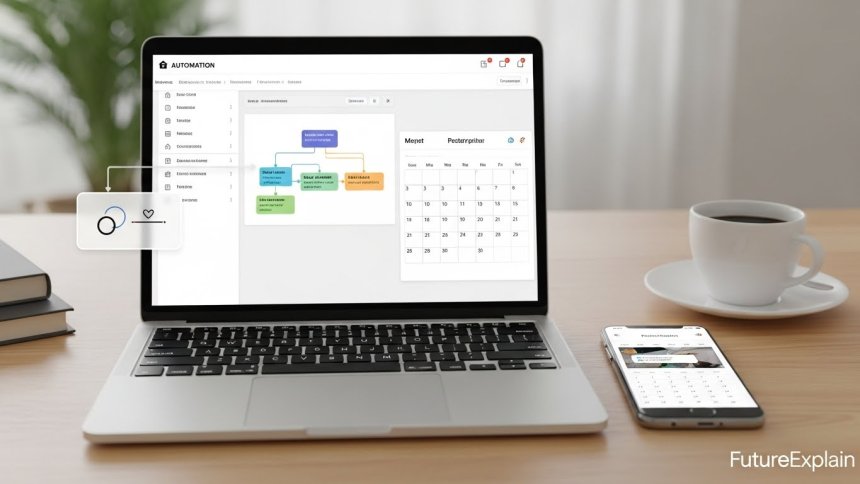
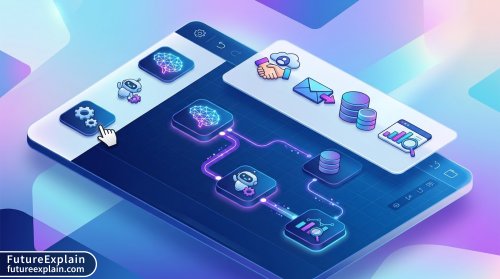
These tools connect your other apps and create automated workflows, acting as the central nervous system for collaboration. - Zapier: A leader in connecting over 8,000 apps. Its AI features (Copilot, AI by Zapier, Zapier Agents) let you use natural language to build automations that move data between apps, trigger AI analysis, and even create semi-autonomous AI teammates for specific tasks[citation:3]. - Make (formerly Integromat): Offers powerful visual workflow automation for more complex, multi-step processes between apps and services.
2. For Intelligence & Analysis (The Brain):
These are your conversational partners for research, analysis, and idea generation. - ChatGPT / Claude / Perplexity: While ChatGPT (powered by GPT-5.1) and Anthropic's Claude are versatile conversationalists and creators, Perplexity stands out for research. It searches the web and provides answers with direct source citations, reducing the risk of hallucinations and saving research time[citation:3]. - AI Search Engines (Komo, Brave): Tools like Komo offer deep research modes and control over search personas, while Brave provides a privacy-focused alternative to traditional search with accurate, cited AI summaries[citation:3].
3. For Specific Workflow Augmentation (The Specialists):
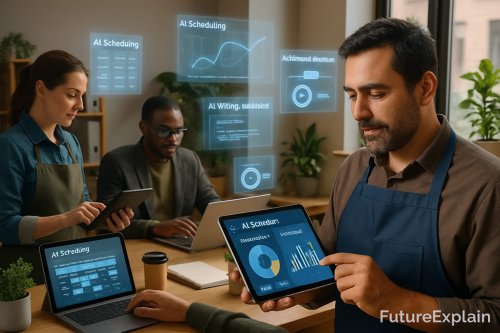
These tools integrate directly into the platforms you already use. - Meeting & Note-Taking (Leexi, Otter.ai, Zoom AI Companion): Tools like Leexi and Otter.ai join your calls, take notes, identify action items, and generate summaries. Zoom AI Companion does this natively within Zoom meetings[citation:5][citation:7][citation:9]. - Writing & Communication (Grammarly, Notion AI): Grammarly has evolved into a full-style and clarity coach across emails, docs, and chat. Notion AI helps draft, summarize, and translate content directly within the popular workspace platform[citation:5][citation:9]. - Project Management (Asana, Trello, Coda): These platforms now have AI that can generate task summaries, draft project updates, and even suggest next steps based on your data, keeping teams aligned[citation:5][citation:9].
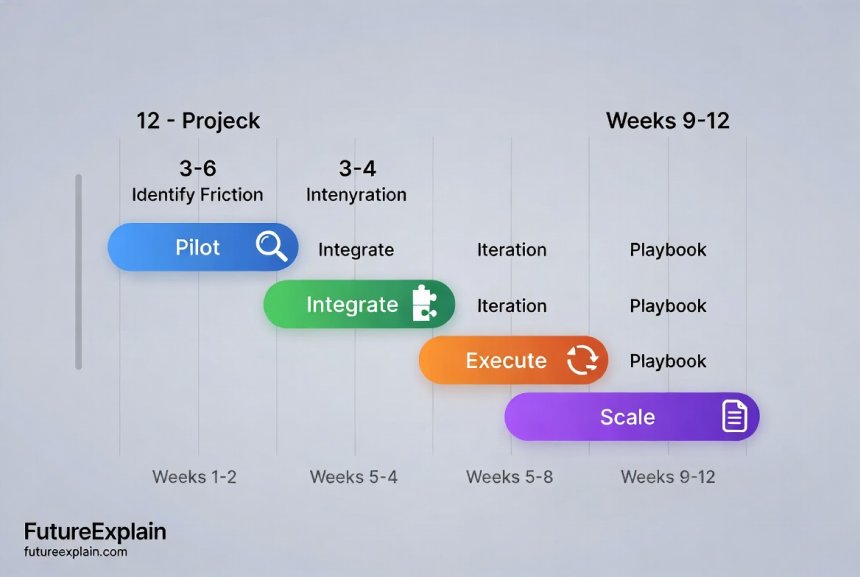
Your 12-Week Implementation Roadmap
Adoption doesn't happen overnight. Follow this phased approach to build momentum and ensure success. This plan is based on implementation strategies used by fast-growth companies[citation:9].
Weeks 1-2: Pilot Selection & Team Assembly
- Identify the Friction: Choose one repetitive, time-consuming, or data-heavy workflow. Examples: compiling weekly reports, initial research for client projects, sorting customer support tickets. - Set Clear Metrics: How will you measure success? Time saved? Error reduction? Cycle time (e.g., from project start to first draft)? - Assemble Your Pilot Team: Recruit 5-10 open-minded colleagues who understand this workflow deeply.
Weeks 3-4: Tool Integration & Basic Training
- Select & Connect Your Tool: Choose one tool from the categories above. Focus on its integration with your core apps (e.g., Slack, Google Workspace, Microsoft 365). - Create a Sandbox: Use test data or a non-critical project to let the team experiment safely. - Role-Specific Training: Don't do generic demos. Show exactly how the tool solves the specific problem in the chosen workflow.
Weeks 5-8: Pilot Execution & Iteration
- Run the New Process: Execute your chosen workflow entirely through the new human-AI collaboration model. - Gather Feedback Weekly: Hold a brief 15-minute huddle every Friday. What worked? What clunky? Capture friction points. - Iterate Quickly: Adjust prompts, change tool settings, or tweak the workflow based on feedback. The goal is to fit the tool to your work, not the other way around.
Weeks 9-12: Analyze, Document, & Plan to Scale
- Review the Metrics: Did you achieve the goals set in Week 1? Calculate time or cost savings. - Document the Playbook: Create a simple guide: "How We Use [Tool] for [Workflow]." Include best practices, example prompts, and common pitfalls. - Plan Departmental Rollout: With proven success and a playbook, plan to expand to the rest of your department, identifying new champions.
Navigating the Human Challenges: Trust, Culture, and Change
Technology is often the easy part. The bigger challenge is managing the human side of this transition.
- Building Trust in AI Outputs: Start with low-stakes tasks. As the AI proves reliable, gradually increase its responsibility. Always maintain a clear human verification step for critical outputs. Transparency about how the AI works and its limitations also builds trust[citation:6].
- Combating Skepticism and Fear: Communicate proactively. Frame AI as a tool for empowerment, not surveillance or replacement. Highlight how it removes tedious work, allowing people to focus on more meaningful, human-centric parts of their job. Share pilot success stories widely.
- Redesigning Jobs, Not Just Adding Tools: This is the core of sustainable collaboration. If you simply add an AI tool on top of an old job description, you create burnout. Leaders must consciously redesign roles, removing automated tasks and adding new responsibilities that leverage human strengths[citation:8].
- Prioritizing Psychological Safety: As one consultant noted, sustainable performance comes from "clarity and psychological safety, not speed or pressure"[citation:2]. Teams must feel safe to experiment with AI, make mistakes, and ask questions during the learning phase.
Measuring Success: Beyond Time Saved
While hours saved is a great starting metric, true success in human-AI collaboration is multidimensional. Consider tracking:
- Quality & Innovation: Has error rate decreased? Has the quality of outputs (reports, designs, code) improved? Are teams generating more innovative ideas?
- Employee Engagement: Are people spending less time on frustrating "work about work" (searching for info, manual data entry) and more on skilled, satisfying tasks? Survey your team.
- Cycle Time & Decision Velocity: How much faster do projects move from start to finish? How quickly can your team make informed decisions? Research indicates that slow decisions often stem from scattered information, which AI collaboration tools directly address[citation:9].
- Business Impact: Ultimately, does this collaboration lead to better client outcomes, higher customer satisfaction, or increased revenue?
A Look Back and The Path Forward
As we conclude FutureExplain's 2024 editorial calendar, it's worth reflecting on the journey. We started the year by asking "What Is Artificial Intelligence?", explored the practicalities of tools for non-technical users, grappled with the ethics of it all, and looked ahead to the future trends. This final article on human-AI collaboration is the logical culmination: a practical guide to living and working productively within that future.
The transformation won't always be smooth. Some will fall into the "Steam Engine Trap," where, as one observer noted, "plugging AI into broken bureaucratic processes is like installing electric lights in a factory still powered by steam engines"[citation:2]. The light is brighter, but the underlying machinery doesn't run faster. The real work is redesigning the machinery itself—our workflows, our team structures, and our mindsets.
The opportunity, however, has never been clearer. By embracing a collaborative model, we can offload the work that drains us and amplify the work that fulfills us. We can make better decisions, unlock new creativity, and build a more sustainable and productive relationship with technology. The future of work isn't human versus AI. It's human plus AI. And that is a future full of potential.
Further Reading on FutureExplain
- Intelligent Automation Explained (AI + Automation Together) - Dive deeper into the technical synergy between AI and automated workflows.
- Skills You Should Learn to Stay Relevant in the AI Era - Expand on the critical skills needed for this new collaborative landscape.
- How AI Helps Students, Writers, and Office Workers - See more concrete examples of AI augmenting specific roles.
Share
What's Your Reaction?
 Like
18500
Like
18500
 Dislike
150
Dislike
150
 Love
2200
Love
2200
 Funny
300
Funny
300
 Angry
100
Angry
100
 Sad
50
Sad
50
 Wow
1700
Wow
1700












First comment of the new year! This article is my team's Q1 focus. The clarity here is unmatched. FutureExplain, you've set the standard for explaining the future. Onwards to 2025!
From "What is AI?" in January to "Human + AI Collaboration" in December. What a coherent, valuable journey. This blog has earned a permanent spot in my bookmarks. Thank you.
As someone who helps onboard new tech, the "document the playbook" step is CRUCIAL. Without it, knowledge stays with the pilot team. The simple guide template is a gift.
The "orchestration layer" is where I need to grow. I'm good at doing tasks and good at prompting AI, but designing the handoff is a new skill. This gives me a framework to practice.
The emphasis on "Human + AI" as a formula, not a battle, is the message we all need. Shared this across my network. Here's to a more collaborative and productive new year for everyone.
Starting my 12-week plan on Monday! Will report back. Thank you for giving us a clear map instead of just yelling about the treasure.