
AI for Small Businesses: Practical Use Cases
Discover practical AI applications for small businesses. Learn how to implement AI tools for marketing, customer service, operations, and growth without technical expertise.

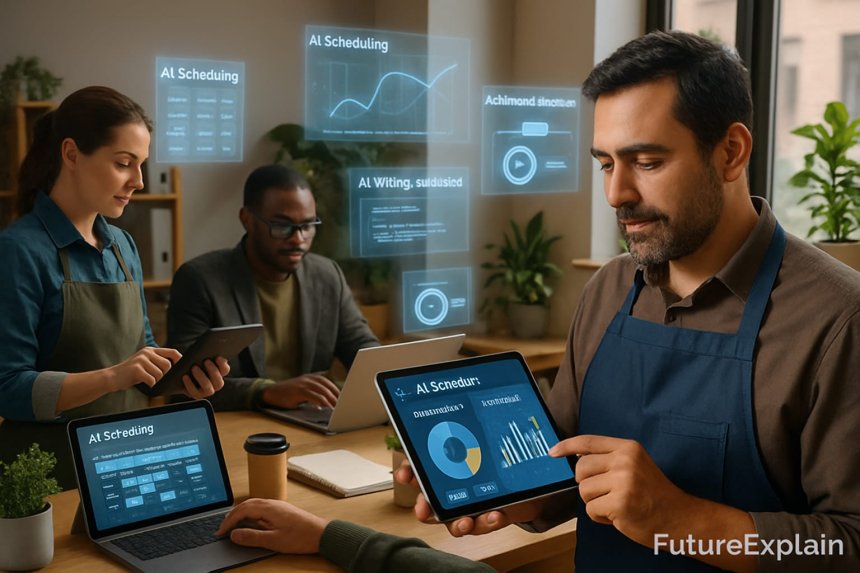
Transforming Small Business Operations with Artificial Intelligence
For small business owners, artificial intelligence might seem like technology reserved for large corporations with dedicated IT departments and unlimited budgets. However, the reality is quite different. Today's AI tools are increasingly accessible, affordable, and designed specifically for businesses with limited technical resources. From automating customer interactions to optimizing marketing campaigns and streamlining back-office operations, AI offers practical solutions to common small business challenges.
According to recent surveys, small businesses that adopt AI tools report an average 40% increase in productivity and significant reductions in operational costs. More importantly, these tools level the playing field, allowing smaller enterprises to compete with larger competitors through improved efficiency and customer experience. This guide explores practical, implementable AI applications that deliver real business value without requiring technical expertise or substantial financial investment.
Why Small Businesses Should Consider AI Now
The AI landscape has evolved dramatically in recent years, with solutions becoming more user-friendly and cost-effective. Several factors make this an ideal time for small businesses to explore AI implementation:
- Affordability: Many AI tools now operate on subscription models with pricing tiers designed for small businesses
- Accessibility: No-code and low-code platforms eliminate the need for programming knowledge
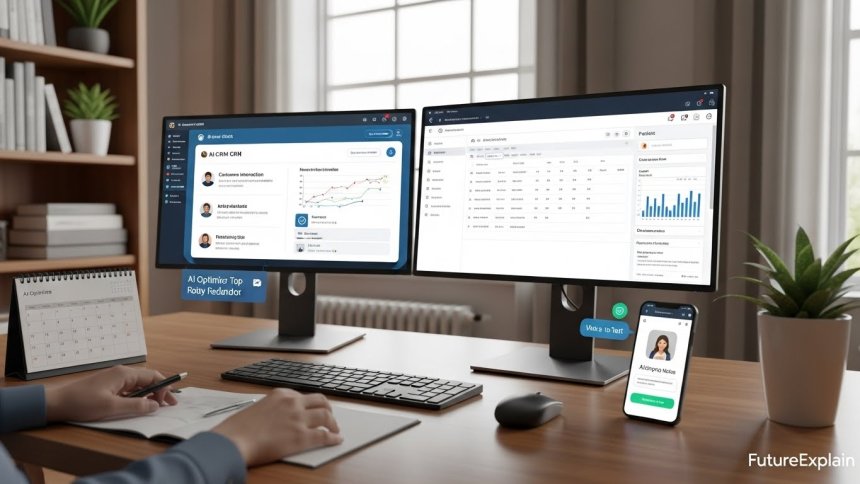
- Integration: Modern AI solutions easily integrate with existing software like CRM systems, accounting platforms, and e-commerce tools
- Competitive Pressure: As more businesses adopt AI, those who don't risk falling behind in efficiency and customer service
- Scalability: Cloud-based AI services allow businesses to start small and scale as they grow
Before diving into specific applications, it's important to understand the fundamental difference between AI and traditional automation. While both aim to improve efficiency, AI systems can learn, adapt, and make decisions based on data patterns. For a deeper understanding, our article on AI vs automation explains these distinctions clearly.
Practical AI Applications for Customer Service
Customer service represents one of the most impactful areas for AI implementation in small businesses. Intelligent systems can handle routine inquiries 24/7, allowing human staff to focus on complex issues and building relationships.
Intelligent Chatbots and Virtual Assistants
Modern chatbots have evolved far beyond simple rule-based systems. Today's AI-powered chatbots can understand natural language, learn from previous interactions, and provide personalized responses. For small businesses, this means:
- 24/7 customer support without increasing staff costs
- Handling frequently asked questions about business hours, services, and pricing
- Collecting preliminary information before transferring to human agents
- Processing simple transactions and bookings automatically
- Multilingual support without hiring bilingual staff
Implementation typically involves selecting a platform (many offer free tiers for small volumes), training the system with your business information, and integrating it with your website and social media channels. The training process involves providing example questions and appropriate responses, with most platforms offering intuitive interfaces that don't require technical skills.
Automated Email Management and Response Systems
AI email assistants can categorize incoming messages, suggest responses, and even handle routine correspondence. For service-based businesses or those receiving numerous inquiries, this can save hours each day. Advanced systems can:
- Prioritize emails based on content and sender
- Draft responses to common inquiries for human review
- Schedule appointments directly from email requests
- Extract and organize information from customer messages into your CRM
These tools often integrate directly with Gmail, Outlook, or other email platforms, making implementation straightforward. The AI learns your business communication patterns over time, continually improving its suggestions.

AI-Powered Marketing and Sales Optimization
Marketing represents another area where AI delivers disproportionate value for small businesses. From personalized campaigns to predictive analytics, AI tools can help small marketing teams compete with larger organizations.
Content Creation and Personalization
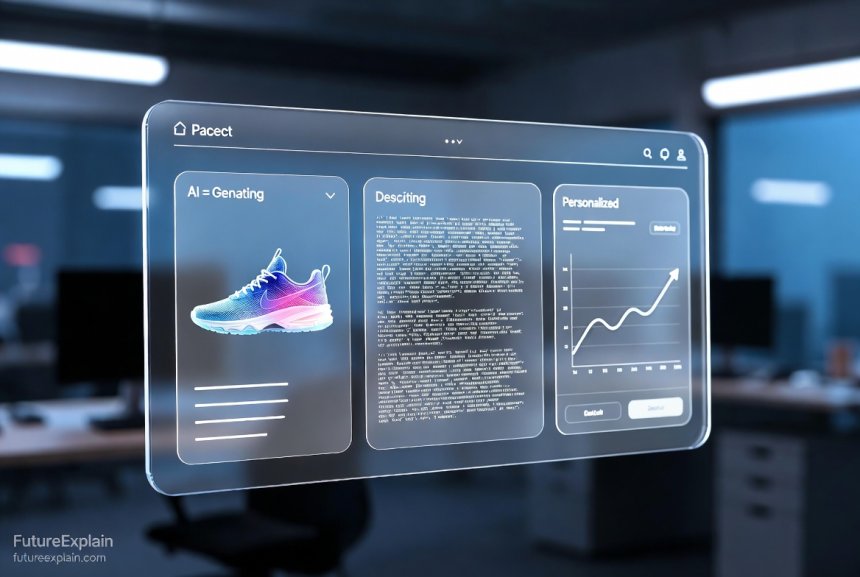
AI writing assistants can help create marketing copy, social media posts, product descriptions, and email campaigns. These tools don't replace human creativity but rather enhance it by:
- Generating initial drafts and ideas
- Optimizing content for search engines
- Adapting tone and style for different audiences
- Creating multiple variations for A/B testing
- Translating content for international markets
For businesses with limited marketing resources, these tools can significantly increase content output while maintaining quality. Our article on AI vs human creativity explores the balance between automated assistance and human originality in marketing content.
Customer Segmentation and Targeted Campaigns
AI algorithms can analyze customer data to identify patterns and segments that might not be apparent to human analysts. This enables more effective targeting through:
- Identifying high-value customer segments for focused marketing
- Predicting which customers are most likely to make additional purchases
- Recommending personalized product suggestions based on browsing and purchase history
- Optimizing email send times for maximum engagement
- Allocating advertising budgets to the most effective channels and demographics
Many e-commerce platforms now include basic AI-powered recommendation engines, while more advanced tools integrate with existing customer databases. The key is starting with clean, organized customer data—something we'll address in the implementation section.
Social Media Management and Analytics
AI tools can analyze social media performance, suggest optimal posting times, and even help create engaging content. For small businesses managing their own social presence, these tools provide capabilities that previously required dedicated social media managers:
- Sentiment analysis of brand mentions and reviews
- Competitor analysis and industry trend identification
- Automated posting and scheduling across multiple platforms
- Performance prediction for different content types
- Audience growth and engagement optimization
Operational Efficiency and Back-Office Automation
Behind-the-scenes operations represent some of the most time-consuming aspects of running a small business. AI can automate many of these processes, freeing owners and staff for more strategic work.
Intelligent Inventory Management
For retail and product-based businesses, inventory management represents a constant challenge. AI-powered systems can:
- Predict demand based on historical sales, seasonality, and market trends
- Automate reordering when stock reaches predetermined levels
- Identify slow-moving inventory and suggest promotions
- Optimize warehouse layout and picking routes
- Integrate with supplier systems for seamless supply chain management
These systems typically work by connecting to your point-of-sale system and learning your sales patterns. They become more accurate over time, reducing both stockouts and excess inventory costs.
Financial Management and Bookkeeping
AI accounting tools can automate many routine financial tasks, reducing errors and saving significant time. Applications include:
- Automated expense categorization and receipt processing
- Invoice generation and follow-up for overdue payments
- Cash flow forecasting based on historical patterns
- Anomaly detection in financial transactions
- Tax preparation assistance and compliance monitoring
Many small business accounting platforms now incorporate AI features, making adoption as simple as upgrading your existing software. The time savings can be substantial—one study found small businesses save an average of 16 hours per month on bookkeeping with AI assistance.
Human Resources and Employee Management
Even businesses with few employees can benefit from AI in HR functions:
- Resume screening and initial candidate matching
- Automated scheduling and shift management
- Training program personalization based on employee performance
- Sentiment analysis of employee feedback
- Compliance monitoring for labor regulations
These tools help create more efficient, fair processes while reducing administrative burdens on business owners and managers.
Implementation Roadmap: Getting Started with AI
Successful AI implementation requires careful planning and a phased approach. Here's a practical roadmap for small businesses:
Phase 1: Assessment and Preparation (Weeks 1-2)
Begin by identifying pain points where AI could deliver the most value. Consider:
- Which tasks consume disproportionate staff time?
- Where do communication bottlenecks occur?
- What processes have the highest error rates?
- Which business metrics need improvement?
Also assess your current technological readiness:
- Is your customer data organized and accessible?
- What software systems do you currently use?
- What is your budget for new tools?
- What technical skills exist within your team?
This assessment helps prioritize which AI applications to implement first, typically focusing on high-impact, low-complexity solutions.
Phase 2: Pilot Implementation (Weeks 3-8)
Select one or two applications to implement as pilot projects. Good candidates include:
- A basic chatbot for handling common website inquiries
- AI-powered email management for customer service
- Automated social media posting and analytics
- AI-assisted accounting software features
During this phase:
- Choose tools with free trials or low-cost entry points
- Allocate a team member to oversee implementation
- Set clear success metrics and timelines
- Provide basic training to relevant staff
- Document processes and challenges
Our guide on best free AI tools provides excellent starting points for pilot projects with minimal financial risk.
Phase 3: Evaluation and Scaling (Months 3-6)
After the pilot period, evaluate results against your success metrics. Consider:
- Did the tool deliver expected time savings or efficiency gains?
- What was the impact on customer satisfaction or business metrics?
- What challenges emerged during implementation?
- How did staff adapt to the new tools?
Based on this evaluation, decide whether to:
- Expand the pilot to full implementation
- Make adjustments based on lessons learned
- Discontinue tools that didn't deliver expected value
- Begin additional pilot projects in other areas
Phase 4: Integration and Optimization (Ongoing)
As you implement multiple AI tools, focus on integration and optimization:
- Ensure different systems can share data appropriately
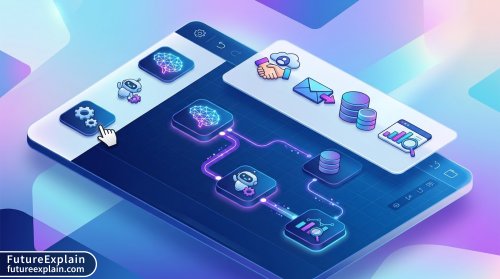
- Look for opportunities to automate workflows between systems
- Continuously monitor performance and adjust as needed
- Stay informed about new tools and features that could add value
- Provide ongoing training as tools evolve
Overcoming Common Challenges and Concerns
Small business owners often face specific challenges when implementing AI. Here are solutions to common concerns:
Budget Constraints
AI implementation doesn't require massive investment. Strategies include:
- Starting with free tools or trial versions
- Prioritizing applications with clear ROI (like time savings)
- Considering tools that replace existing paid services
- Exploring industry-specific grants or subsidies for technology adoption
Many AI tools offer scalable pricing, allowing you to pay only for what you use as your business grows.
Technical Limitations
Modern AI tools are designed for non-technical users. Solutions include:
- Choosing no-code platforms with intuitive interfaces
- Starting with pre-trained models that require minimal customization
- Using implementation services offered by some providers
- Partnering with local business development centers that offer technical assistance
Remember that AI helps non-technical users across many fields—the same principles apply to small business applications.
Data Quality and Organization
AI tools typically require clean, organized data. Before implementation:
- Consolidate customer information into a single system
- Standardize data entry processes
- Clean existing data of duplicates and errors
- Establish ongoing data management practices
This preparation not only enables AI implementation but improves overall business operations regardless of technology adoption.
Staff Training and Acceptance
Successful implementation requires staff buy-in. Strategies include:
- Involving team members in tool selection
- Providing clear explanations of how tools will help, not replace, their work
- Offering hands-on training and ongoing support
- Celebrating early wins and time savings
- Addressing concerns about job security openly and honestly
Measuring Success and ROI
To justify continued investment in AI tools, establish clear metrics for success. Consider tracking:
Efficiency Metrics
- Time saved on specific tasks (customer service responses, data entry, etc.)
- Reduction in error rates for automated processes
- Increase in tasks completed per employee
- Decrease in overtime or temporary staff requirements
Customer Experience Metrics
- Response time improvements for inquiries
- Customer satisfaction scores (surveys, reviews)
- Resolution rates for automated systems
- Customer retention and repeat purchase rates
Financial Metrics
- Cost savings from reduced manual labor
- Revenue increases from improved marketing or sales
- Reduction in inventory costs or waste
- ROI calculations comparing tool costs to benefits
Regular review of these metrics (monthly or quarterly) helps determine which tools deliver value and where adjustments are needed.
Future Trends and Long-Term Planning
As AI technology continues to evolve, small businesses should stay informed about emerging opportunities. Future trends likely to impact small businesses include:
Industry-Specific AI Solutions
More tools tailored to specific industries (restaurants, retail, professional services) will become available, offering more targeted functionality with less customization required.
Integrated AI Ecosystems
Platforms that combine multiple AI functions (marketing, operations, finance) will reduce integration challenges and provide more comprehensive insights across business functions.
Voice and Conversational Interfaces
As voice recognition improves, more business applications will accept voice commands and queries, further reducing barriers to technology adoption.
For a broader perspective on where AI is heading, our article on the future of artificial intelligence in the next 5 years explores these trends in more detail.
Getting Started: First Steps for Your Business
If you're ready to explore AI for your small business, here are immediate actions you can take:
Week 1: Education and Assessment
- Identify 2-3 time-consuming tasks that might be automated
- Research 1-2 AI tools in categories relevant to your business
- Sign up for free trials or demo versions
- Talk to other business owners about their AI experiences
Week 2: Pilot Project Selection
- Choose one pilot project based on potential impact and ease of implementation
- Set clear success criteria and timeline (30-60 days)
- Designate a team member to lead the pilot
- Establish a simple tracking system for results
Month 1: Implementation and Training
- Implement your chosen tool with support from the provider if available
- Train relevant staff on basic functionality
- Begin using the tool alongside existing processes
- Document questions, challenges, and early observations
Month 2: Evaluation and Planning
- Review results against your success criteria
- Decide whether to continue, expand, or discontinue the tool
- Plan next steps based on lessons learned
- Share results with your team and celebrate progress
Conclusion: AI as a Small Business Accelerator
Artificial intelligence is no longer exclusive to tech giants and Fortune 500 companies. Today's AI tools offer practical, affordable solutions to common small business challenges, from customer service and marketing to operations and finance. By starting with focused pilot projects, measuring results carefully, and scaling successful implementations, small businesses can harness AI to improve efficiency, enhance customer experiences, and drive growth.
The key is approaching AI as a strategic tool rather than a technological novelty. Focus on applications that address real business pain points, implement gradually to manage risk and learning curves, and continuously evaluate results against clear business objectives. With this approach, AI becomes not just another expense but a genuine accelerator for small business success in an increasingly competitive marketplace.
Remember that technology is a tool, not a substitute for the human relationships and unique value that define successful small businesses. AI works best when it amplifies human capabilities, freeing business owners and staff to focus on what they do best: serving customers, innovating products, and building community connections.
Share
What's Your Reaction?
 Like
1450
Like
1450
 Dislike
15
Dislike
15
 Love
420
Love
420
 Funny
65
Funny
65
 Angry
10
Angry
10
 Sad
8
Sad
8
 Wow
280
Wow
280














As a women-owned business, finding technology that works with our values is important. The emphasis on AI as augmentation rather than replacement aligns with our community-focused approach.
The time savings metrics convinced my skeptical partner. Tracking actual hours saved converted to dollar values made the business case undeniable. We're now expanding AI to other areas.
The industry grant suggestion led us to discover local business development grants for technology adoption. We received partial funding for our AI implementation through a state program.
Cloud-based scalability allowed us to start with minimal investment. As we grew, we added features and capacity. This pay-as-you-grow model fits small business cash flow perfectly.
The sentiment analysis for employee feedback revealed issues we didn't know existed. Anonymous AI analysis of suggestions helped us address morale issues before they affected performance.
The anomaly detection in financial AI caught an irregular payment pattern that turned out to be fraud. This alone paid for the tool for five years.