
AI in Marketing: Simple Explanation for Beginners
A beginner-friendly guide explaining how AI is used in marketing: personalization, content, automation, ad optimization and measurement. Learn practical steps, examples, and ethical tips for small teams and non-technical readers.


AI in Marketing: Simple Explanation for Beginners
Introduction
AI is everywhere in marketing claims: "AI-powered campaigns", "personalized experiences", "automated content". For beginners, these phrases can be confusing. This article breaks down how AI is actually used in marketing, what it can realistically achieve for small teams, and how to start safely without a technical background.
Why marketers care about AI
Marketing is about delivering the right message to the right person at the right time. AI helps with three core problems:
- Processing large amounts of customer and campaign data quickly.
- Finding patterns that are hard for humans to spot (for personalization or targeting).
- Automating repetitive tasks like message testing, content generation and basic customer interactions.
Core AI use cases in marketing
Personalization
Personalization means showing tailored content to individual users: different product recommendations, email subject lines, or homepage sections. AI models analyze past behavior (pages visited, purchases, clicks) to predict what a single user is likely to care about next.
Content creation and assistance
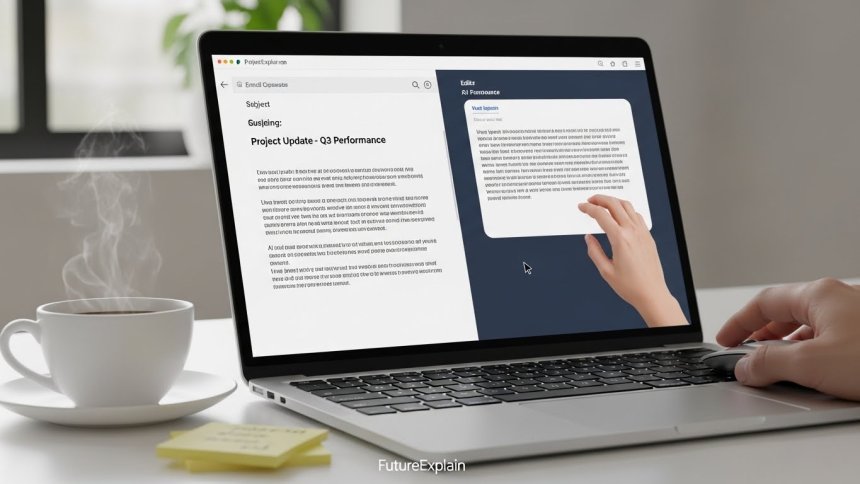
AI can generate first drafts for blog posts, ad copy, product descriptions, and social updates. For beginners, the common approach is to use AI to create a draft that a human edits. This saves time while keeping control of tone and facts.
Ad optimization
Ad platforms already use AI to optimize delivery. Marketers provide goals (clicks, conversions, target CPA) and the platform's algorithms test creative and audiences automatically. You can also use external AI tools to suggest better ad copy or to analyze campaign performance.
Customer segmentation and analytics
AI groups customers into segments based on behavior and value. These segments help you target promotions or identify high-risk churn groups. For small teams, many tools provide pre-built segments you can use immediately.
Chatbots and conversation automation
Chatbots can answer basic product questions, capture leads, or route complex queries to agents. When combined with marketing automation, they help convert visitors into email subscribers or customers. For background on conversational AI, see ai-in-customer-support-how-chatbots-really-work.
How AI actually works in these cases (simple overview)
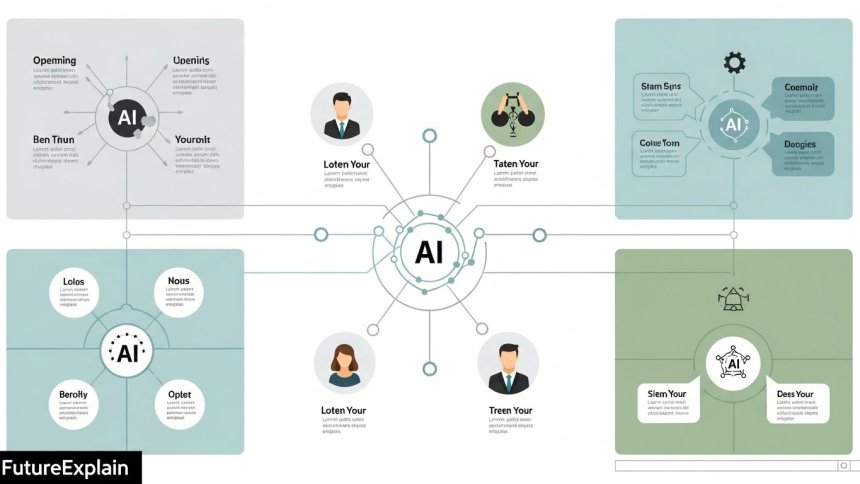
Marketing AI is usually built from a few recurring components:
- Data input: Customer events, purchase history, campaign metrics.
- Models or rules: Statistical models, recommendation engines, or language models for text generation.
- Decision layer: Business rules that decide how to act on model outputs (send an email, show a banner).
- Measurement: Tracking results to update models and campaign strategy.
Practical paths for beginners
You don''t need to build models from scratch. These approachable paths work well:
- No-code platforms: Tools that connect your website, email list, and ad accounts and offer AI features (audience suggestions, automated emails).
- Tool + human workflow: Use AI to draft content or suggest segments, then have humans review and approve.
- Managed services: Agencies or SaaS features that run AI-driven campaigns for you with tight guardrails.
Tools and categories to consider
Familiarize yourself with tool types, not every brand. Common categories:
- Content assistants: For drafting emails, social posts and product descriptions. These are often used in combination with editing by a human.
- Recommendation engines: For product suggestions in stores.
- Audience and analytics platforms: For segmenting users and predicting churn.
- Ad optimization platforms: To handle bidding and creative testing.
- Chatbot builders: For customer interactions and lead capture. See no-code-vs-ai-tools-what-should-beginners-choose to decide between no-code and AI-first approaches.
Start small — a safe pilot checklist
Do this before deploying AI broadly:
- Define a clear goal: e.g., increase newsletter signups by 10% or reduce ad CPA by 15%.
- Choose one channel: email, a landing page, or one ad campaign.
- Use conservative automation: have AI suggest content or audiences, then review before launch.
- Measure and compare: run an A/B test and compare AI-assisted vs human-only results.
- Track odd outcomes: monitor for incorrect facts, strange personalization, or inconsistent tone.
Example pilot: AI-assisted email series
Steps a small team can run in a week:
- Pick a target segment (e.g., recent purchasers last 30 days).
- Use an AI content assistant to draft three email variants for a promotion.
- Manually review and edit drafts for accuracy and brand voice.
- Send variants to small test groups and measure open and click rates.
- Choose the best-performing variant and roll it out to a larger audience.
Ethics, privacy, and safety (what beginners must know)
Practical considerations:
- Consent: Make sure users have consented to marketing messages and to any data usage required for personalization.
- Data minimization: Only use the data required for the specific marketing goal.
- Transparency: Be clear in privacy policies about how you use automated decision-making.
- Human review: Keep humans in the loop for sensitive content (claims, pricing, legal info).
- Bias and fairness: Periodically review which groups are being targeted and avoid discriminatory patterns.
If you want a broader safety primer, see how-to-use-ai-responsibly-beginner-safety-guide.
Measuring success and key metrics
Common marketing metrics to watch when using AI:
- Conversion rate: Did the AI-driven change increase conversions?
- Return on ad spend (ROAS): For ad campaigns, is spend returning value?
- Open and click-through rates: For email tests.
- Engagement and retention: Are personalized experiences improving repeat visits or purchases?
- False positives/negatives: Are recommendations relevant or annoying users?
Scaling from pilot to production
If the pilot succeeds, plan for safe scaling:
- Automate only well-measured parts and keep monitoring.
- Document decision logic and dataset sources.
- Retain human oversight for edge cases and critical offers.
- Keep an audit log for compliance and rollback if needed.
Common pitfalls to avoid
- Blind trust: Don''t assume AI outputs are always correct—verify before mass deployment.
- Over-personalization: Excessive personalization can feel creepy; respect boundaries and privacy.
- Ignoring measurement: Always test and compare to control groups.
- Underestimating costs: Some AI features have per-call pricing—pilot small to estimate real costs.
How AI changes team roles
AI shifts some tasks, but it doesn''t replace strategy or human creativity. Expect roles to evolve:
- Marketers will spend less time on drafts and more on editing, strategy, and quality control.
- Data-savvy generalists will be valuable—people who can read AI output and translate it into business decisions.
- Customer-facing teams will still handle nuanced, high-touch interactions.
Learning resources and next steps
To continue learning, follow a path:
- Read basics about AI and machine learning in what-is-artificial-intelligence-a-complete-beginners-guide and how-does-machine-learning-work-explained-simply.
- Explore tools in top-ai-tools-for-beginners-to-boost-productivity and best-free-ai-tools-you-can-use-without-technical-skills.
- See how personalization systems work in how-ai-personalization-works-netflix-youtube-amazon.
Quick checklist to get started today
- Pick one small, measurable marketing task.
- Choose a no-code or managed tool and test AI suggestions in shadow mode.
- Measure against a control group.
- Keep humans in the loop for approvals and compliance.
Final thoughts
AI in marketing is a practical set of tools, not a magic bullet. For beginners, the best approach is cautious experimentation: start small, measure carefully, keep human review, and prioritize customer privacy. Over time, small, well-measured improvements compound into meaningful benefits for small teams and businesses.
For related reading, consider ai-for-small-businesses-practical-use-cases and future-of-artificial-intelligence-next-5-years to understand broader strategy and future trends.
Share
What's Your Reaction?
 Like
1100
Like
1100
 Dislike
12
Dislike
12
 Love
160
Love
160
 Funny
25
Funny
25
 Angry
3
Angry
3
 Sad
1
Sad
1
 Wow
80
Wow
80


















Question: How can we measure perceived "creepiness" of personalization in tests?
Praise: Helpful primer for non-technical marketers. Saved this for the team.
Constructive feedback: include a short glossary for common AI marketing terms.
Question: Any recommended free tools for small teams to try content AI?
There are free tiers for many content assistants — try them for drafts and compare results. We'll list specific options in a tool roundup.
Short opinion: Don't rush to full automation — iterate.
Experience: Shadow mode found many potential errors before users saw them.