
AI in Education: Tools for Teachers and Students
This comprehensive guide explores how artificial intelligence is transforming education for both teachers and students. We examine practical AI tools that enhance personalized learning, automate administrative tasks, and improve educational outcomes. For teachers, we cover AI-powered grading systems, lesson planning assistants, and classroom management tools that save time while maintaining quality. For students, we explore intelligent tutoring systems, adaptive learning platforms, and writing assistants that provide personalized support. The article also addresses important considerations about AI ethics in education, data privacy, and maintaining the human element in teaching. With real-world examples and beginner-friendly explanations, this guide helps educators and learners understand how to effectively integrate AI tools into their educational journey while avoiding common pitfalls and ensuring responsible implementation.


AI in Education: Tools for Teachers and Students
Education stands at the brink of a technological revolution, and artificial intelligence is leading the charge. From personalized tutoring systems that adapt to each student's learning pace to AI-powered grading tools that save teachers countless hours, intelligent technology is transforming classrooms around the world. This transformation isn't about replacing teachers with machines, but rather augmenting human educators with powerful tools that enhance their ability to reach every student.
If you're a teacher wondering how AI can lighten your workload, or a student curious about learning tools that adapt to your unique needs, this guide will walk you through the practical applications of AI in education. We'll explore real tools being used today, discuss their benefits and limitations, and provide clear guidance on how to integrate these technologies responsibly into educational settings.
The Current State of AI in Education
Artificial intelligence has been gradually entering educational spaces for over a decade, but recent advances in machine learning and natural language processing have accelerated adoption dramatically. Today's AI educational tools range from simple grammar checkers to complex adaptive learning systems that continuously adjust to student performance. According to recent market analysis, the global AI in education market is projected to grow significantly as more institutions recognize the value of personalized, data-driven approaches to learning.
Several key factors are driving this adoption. First, the COVID-19 pandemic accelerated digital transformation in education, forcing rapid adoption of technology solutions. Second, teachers are facing increasing demands with larger class sizes and more diverse student needs. Third, there's growing recognition that the traditional one-size-fits-all approach to education fails to address individual learning differences. AI tools offer potential solutions to these challenges by providing scalable personalization and automating time-consuming tasks.
How AI Understands and Supports Learning
Before diving into specific tools, it's helpful to understand how AI systems "understand" educational content and student needs. At their core, most educational AI tools use one or more of these approaches:
- Natural Language Processing (NLP): This allows AI to understand, interpret, and generate human language. It powers tools like writing assistants, reading comprehension aids, and language learning applications.
- Machine Learning Algorithms: These systems analyze patterns in student performance data to predict difficulties, recommend content, and adapt learning paths.
- Computer Vision: Used in tools that can "read" handwritten work, analyze student engagement through facial recognition (with appropriate privacy considerations), or interpret diagrams and mathematical notation.
- Knowledge Graphs: These represent relationships between educational concepts, allowing AI to understand prerequisite knowledge and learning progressions.
When these technologies work together, they create intelligent systems that can provide remarkably personalized educational experiences. For example, an AI tutor might use NLP to understand a student's written response, machine learning to compare it against expected answers and common misconceptions, and knowledge graphs to determine what foundational concepts need reinforcement.
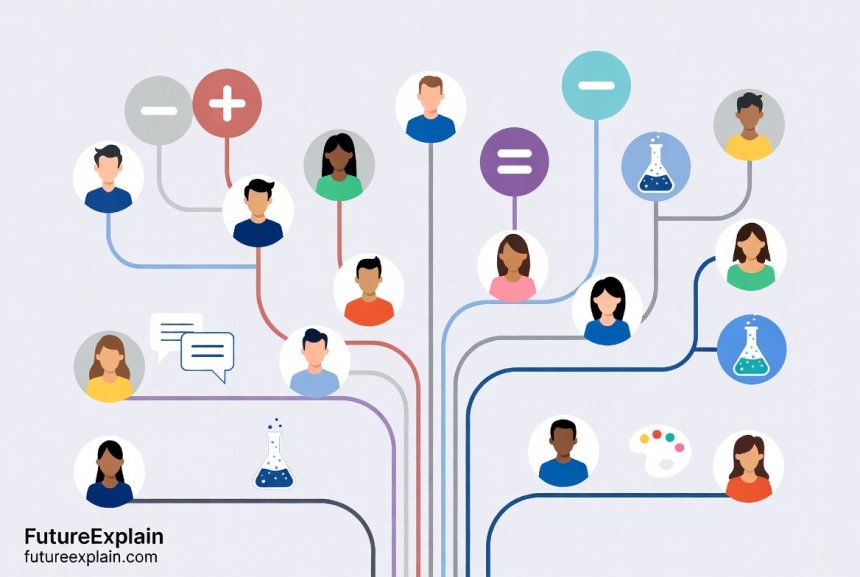
AI Tools for Teachers: Enhancing the Educator's Toolkit
Teachers are among the most overworked professionals, often spending hours outside the classroom on planning, grading, and administrative tasks. AI tools specifically designed for educators can help reclaim some of this time while improving educational outcomes.
AI-Powered Grading and Assessment Tools
Grading assignments, especially for large classes, consumes enormous amounts of teacher time. AI grading assistants can evaluate certain types of assignments automatically, freeing teachers to focus on more complex feedback and student interactions. These tools are particularly effective for:
- Multiple-choice and fill-in-the-blank questions: AI can instantly grade these with 100% accuracy.
- Mathematical problem-solving: Advanced systems can evaluate step-by-step solutions, not just final answers.
- Writing assignments: While human evaluation is still essential for nuanced writing, AI can flag grammatical errors, check for plagiarism, and provide initial feedback on structure and clarity.
Tools like Gradescope, Turnitin's Revision Assistant, and ETS's e-rater have shown promising results in reducing grading time while maintaining quality. Research indicates that when teachers use these tools, they often provide more detailed feedback because the AI handles the initial evaluation, allowing educators to focus on higher-level commentary.
However, it's crucial to understand the limitations. AI grading systems work best for assignments with clear right/wrong answers or structured formats. They struggle with highly creative or unconventional responses that might be brilliant but don't match expected patterns. Effective implementation involves using AI for initial assessment, with teacher review for final evaluation and nuanced feedback.
Lesson Planning and Content Creation Assistants
Creating engaging lesson plans that meet curriculum standards while addressing diverse student needs is challenging work. AI lesson planning tools can generate draft lesson plans, suggest activities, and even create customized worksheets and assessments. These systems typically:
- Analyze curriculum standards and learning objectives
- Suggest appropriate teaching strategies based on subject and grade level
- Generate discussion questions, practice problems, and assessment items
- Adapt content for different learning styles and ability levels
Platforms like Education Copilot, Curipod, and Diffit allow teachers to input their topic, grade level, and desired learning outcomes, then generate comprehensive lesson materials in minutes. These tools don't replace teacher expertise but rather augment it, providing starting points that educators can refine and personalize.
A practical workflow might look like this: A high school biology teacher needs to create a lesson on cellular respiration. She inputs the topic into an AI lesson planner, specifies that she wants activities suitable for 10th graders with varying reading levels, and requests inclusion of hands-on activities. The AI generates a 60-minute lesson plan including an opening discussion question, a short explanatory video suggestion, a hands-on simulation activity using household items, three differentiated reading passages on the same topic, and an exit ticket assessment. The teacher then reviews and customizes this draft, adding her personal teaching style and addressing specific student needs she knows about.
Classroom Management and Engagement Analytics
AI tools can also help teachers manage classroom dynamics and understand student engagement patterns. These systems might analyze:
- Participation patterns to identify students who rarely contribute
- Collaboration dynamics during group work
- Attention indicators during lessons
- Early warning signs of learning difficulties or disengagement
Tools like ClassDojo's AI features, GoGuardian, and Hapara provide insights that help teachers intervene proactively rather than reactively. For example, if an AI system notices that a particular student's participation has dropped significantly over three classes, it can alert the teacher to check in with that student privately.
It's important to approach these tools with appropriate privacy considerations and transparency. Students and parents should understand what data is being collected and how it's used to support learning. The best implementations focus on supporting students rather than surveillance, with clear opt-out options and data protection measures.
AI Tools for Students: Personalized Learning Companions
Just as AI supports teachers, it also provides powerful assistance to learners. Student-focused AI tools adapt to individual learning styles, provide instant feedback, and offer practice opportunities tailored to each student's needs.
Intelligent Tutoring Systems
Intelligent tutoring systems (ITS) are among the most researched and validated AI educational tools. These systems provide one-on-one tutoring experiences by:
- Diagnosing student knowledge gaps through initial assessment
- Providing customized explanations and examples
- Offering practice problems at the appropriate difficulty level
- Adjusting instruction based on continuous performance monitoring
Research has consistently shown that well-designed ITS can produce learning gains comparable to human tutoring. Systems like Carnegie Learning's MATHia, ALEKS, and Duolingo's AI-driven language lessons have demonstrated effectiveness across diverse student populations. What makes these systems particularly powerful is their patience and consistency—they never get tired, frustrated, or inconsistent in their explanations.
Modern ITS often incorporate sophisticated techniques like Retrieval-Augmented Generation (RAG) to provide accurate, up-to-date information and chain-of-thought reasoning to explain problem-solving processes step by step.
Adaptive Learning Platforms
While intelligent tutors focus on specific subjects, adaptive learning platforms provide comprehensive learning experiences across entire curricula. These systems use AI to create personalized learning paths for each student, adjusting content sequence, difficulty, and presentation style based on continuous performance data.
Platforms like DreamBox, Smart Sparrow, and Knewton (now part of Pearson) exemplify this approach. They work by:
- Mapping the curriculum into a detailed knowledge graph showing prerequisite relationships
- Continuously assessing student mastery through embedded questions and activities
- Recommending the most appropriate next learning activity based on current understanding
- Providing alternative explanations or practice when students struggle with concepts
The result is that two students in the same class might follow completely different learning journeys based on their individual needs, yet both reach the same learning objectives. This approach is particularly valuable in inclusive classrooms with students at diverse ability levels.
Writing and Research Assistants
AI writing tools have evolved far beyond simple grammar checkers. Modern systems can help students with the entire writing process, from brainstorming to final editing. These tools include:
- Idea generation and outlining: AI can help overcome writer's block by suggesting topics, arguments, and organizational structures.
- Research assistance: Tools like Consensus, Scite, and Elicit use AI to help students find and evaluate scholarly sources.
- Drafting support: AI can suggest sentence variations, help with vocabulary selection, and ensure clarity of expression.
- Citation and formatting: Automated tools can generate properly formatted citations in various styles.
It's crucial to teach students how to use these tools ethically and effectively. Rather than having AI write their papers, students should learn to use AI as a thought partner and editor. Many educators are developing assignments specifically designed to teach these skills, such as having students compare their original writing with AI-suggested improvements and reflect on the differences.
Accessibility and Inclusion: AI as an Equalizer
One of the most promising applications of AI in education is enhancing accessibility for students with disabilities. AI tools can adapt content to various needs in ways that were previously labor-intensive or impossible.
Assistive Technologies Powered by AI
Modern AI has dramatically improved assistive technologies for students with visual, hearing, physical, or learning disabilities. Examples include:
- Real-time captioning and transcription: AI-powered systems like Otter.ai and Google's Live Transcribe provide accurate, real-time captions for deaf or hard-of-hearing students.
- Text-to-speech with natural voices: Advanced systems like Amazon Polly and Google's Text-to-Speech generate remarkably human-like speech for students with visual impairments or reading difficulties.
- Speech-to-text for students with physical disabilities: Improved accuracy in dictation software allows students who struggle with typing to compose written work.
- Language translation tools: Real-time translation helps English Language Learners access content in their native language while learning English.
These tools are becoming increasingly integrated into mainstream educational platforms rather than existing as separate, specialized systems. This integration benefits all students while particularly empowering those with specific accessibility needs.
Universal Design for Learning (UDL) Implementation
AI tools can help implement Universal Design for Learning principles by automatically providing multiple means of representation, engagement, and expression. For example:
- An AI system might automatically generate both text and audio versions of content
- Interactive simulations might adjust difficulty based on student interaction
- Assessment tools might offer multiple ways for students to demonstrate understanding
This approach moves beyond retrofitting accommodations to building flexibility into the educational experience from the beginning. As AI systems become better at understanding content semantics, they can make increasingly sophisticated adaptations to support diverse learners.
Implementing AI Tools: Practical Considerations for Schools
Successfully integrating AI tools into educational settings requires thoughtful planning and implementation. Schools and teachers should consider several key factors before adoption.
Technical Infrastructure and Support
AI educational tools typically require reliable internet connectivity, appropriate devices, and technical support. Before implementing any AI system, schools should assess:
- Network capacity to handle increased data traffic
- Device availability and compatibility
- Data storage and security requirements
- Technical support for troubleshooting
- Professional development for teachers
Many schools find that starting with a pilot program in one department or grade level allows them to work out technical issues before scaling up. This approach also helps build teacher confidence and identify best practices.
Cost Considerations and ROI
AI educational tools vary widely in cost, from free basic versions to expensive enterprise solutions. When evaluating costs, consider:
- Licensing models (per student, per teacher, or site license)
- Implementation and training costs
- Potential savings from reduced need for other resources
- Time savings for teachers (which has economic value)
- Impact on educational outcomes
Some districts have found creative funding approaches, such as reallocating funds from printed materials to digital resources, applying for technology grants, or using federal funds allocated for educational technology. The article on AI cost optimization provides additional insights relevant to educational institutions.
Integration with Existing Systems
For AI tools to be effective, they need to integrate smoothly with existing learning management systems (LMS), student information systems, and other educational technology. Key integration considerations include:
- Single sign-on capabilities
- Data sharing between systems (with appropriate privacy protections)
- Gradebook synchronization
- Content compatibility with existing curriculum
Many educational AI tools now offer integrations with popular platforms like Google Classroom, Canvas, Schoology, and Moodle. Schools should prioritize tools with robust integration capabilities to avoid creating technological silos.
Ethical Considerations and Responsible Implementation
As with any powerful technology, AI in education raises important ethical questions that must be addressed thoughtfully.
Data Privacy and Security
Educational AI systems collect substantial data about students, including performance patterns, interaction behaviors, and sometimes even biometric data. Schools have a responsibility to protect this sensitive information by:
- Understanding what data is collected and how it's used
- Ensuring compliance with regulations like FERPA, COPPA, and GDPR
- Implementing strong data security measures
- Providing transparency to students and parents about data practices
- Establishing clear data retention and deletion policies
Tools that use privacy-preserving AI techniques like differential privacy or federated learning can help mitigate some privacy concerns while still providing personalized learning experiences.
Algorithmic Bias and Fairness
AI systems can inadvertently perpetuate or amplify biases present in their training data. In educational contexts, this might manifest as:
- Recommendation systems that steer certain demographic groups toward less challenging material
- Grading algorithms that disadvantage non-standard language patterns
- Tutoring systems that respond differently based on student characteristics
To address these concerns, educators and administrators should:
- Ask vendors about their bias testing and mitigation processes
- Monitor outcomes across different student groups
- Provide human oversight for important decisions
- Choose tools with transparency about how recommendations are generated
The principles discussed in our article on managing AI bias apply directly to educational contexts. Regular audits and diverse testing populations are essential for identifying and addressing potential biases.
Maintaining Human Connection in Education
Perhaps the most important ethical consideration is ensuring that AI tools enhance rather than replace human relationships in education. The teacher-student relationship is fundamental to learning, particularly for younger students and those facing challenges. Effective AI implementation should:
- Free up teacher time for more meaningful interactions
- Provide insights that help teachers understand students better
- Never completely replace human judgment for important decisions
- Include training on balancing technology use with personal connection
Some schools establish clear guidelines about when AI tools are appropriate and when human interaction is essential. For example, AI might handle initial feedback on routine assignments, but teachers would always provide final evaluations and discuss significant feedback in person.
Future Trends in AI Education Technology
The field of educational AI is rapidly evolving, with several promising developments on the horizon.
Multimodal Learning Experiences
Future AI educational tools will likely integrate multiple modes of interaction—combining text, speech, images, and even physical manipulation. Multimodal AI systems could, for example:
- Watch a student solve a hands-on physics experiment and provide real-time feedback
- Analyze a student's drawing to assess understanding of geometric concepts
- Combine speech recognition with facial expression analysis to gauge comprehension and engagement
These systems would provide more holistic assessments of student understanding and offer more natural, immersive learning experiences.
Lifelong Learning Companions
Rather than separate tools for different educational stages, we may see the emergence of AI learning companions that accompany individuals throughout their educational journey—from early childhood through adult professional development. These systems would:
- Build comprehensive learning profiles over time
- Connect learning across different contexts and subjects
- Adapt to changing goals and life circumstances
- Provide continuity during transitions between educational institutions
Such systems would require careful attention to data portability, privacy, and long-term support, but could dramatically improve educational coherence and personalization.
AI-Augmented Collaborative Learning
Most current educational AI focuses on individual learning, but future systems may enhance collaborative learning experiences by:
- Forming effective learning groups based on complementary skills and knowledge
- Facilitating group discussions with prompts and guidance
- Monitoring group dynamics and suggesting interventions when needed
- Helping distribute tasks based on individual strengths and learning goals
These tools could help students develop crucial collaboration skills while ensuring that group work leads to meaningful learning for all participants.
Getting Started with AI in Your Educational Context
If you're interested in exploring AI tools for education, here are practical steps to begin:
- Start with a clear educational goal: Don't adopt AI just because it's new. Identify specific challenges you want to address, such as reducing grading time, personalizing reading instruction, or supporting English Language Learners.
- Research available tools: Look for tools with strong evidence of effectiveness, good user reviews, and appropriate privacy protections. Many offer free trials or limited free versions.
- Begin with a pilot: Test one tool with a small group of students or in one subject area before wider implementation.
- Provide adequate training: Ensure teachers and students understand how to use the tool effectively and ethically.
- Evaluate and adjust: Regularly assess whether the tool is meeting your goals and make adjustments as needed.
Remember that successful technology integration always involves both technical and human factors. The most sophisticated AI tool will fail if teachers don't understand how to use it effectively or if it doesn't align with educational values and practices.
Conclusion: AI as Educational Partner, Not Replacement
Artificial intelligence in education represents not a replacement for human teachers, but a powerful set of tools that can enhance educational experiences for both teachers and students. When implemented thoughtfully, AI can help address some of education's most persistent challenges: providing truly personalized learning at scale, reducing administrative burdens on teachers, and making education more accessible to diverse learners.
The key to successful integration lies in maintaining a human-centered approach. AI should amplify teachers' abilities, not replace their judgment. It should empower students, not make them dependent on technology. And it should always serve educational goals, not drive them.
As we continue to explore the potential of AI in education, ongoing dialogue among educators, students, parents, and technologists will be essential. By approaching these technologies with both optimism and critical awareness, we can harness their potential to create more effective, equitable, and engaging learning experiences for all.
Further Reading
- AI in Healthcare: Real Use Cases and Limitations - See how AI is transforming another crucial sector
- How AI Helps Students, Writers, and Office Workers - More examples of AI supporting learning and productivity
- Ethical AI Explained: Why Fairness and Bias Matter - Deep dive into the ethical considerations crucial for educational AI
Share
What's Your Reaction?
 Like
1240
Like
1240
 Dislike
15
Dislike
15
 Love
320
Love
320
 Funny
45
Funny
45
 Angry
8
Angry
8
 Sad
12
Sad
12
 Wow
210
Wow
210












Our school's AI experiment failed because we focused on flashy technology rather than educational needs. We bought VR headsets for history class but didn't have quality content or teacher training. After reading this article, I realize we should have started with identifying specific learning challenges first.
The future trends section mentions lifelong learning companions - this resonates with me as an adult learner. I've taken online courses through Coursera and edX, but there's no continuity between them. An AI that could connect my learning across platforms would be incredible.
I'm a homeschooling parent using AI tools to supplement my teaching. The adaptive math programs have been fantastic - they adjust to my child's pace and provide explanations when she struggles. It's like having a personalized tutor for each subject.
The ethical considerations section should be required reading for every school administrator considering AI tools. We rushed into a facial recognition system for campus security without proper community input, and it created a major controversy. Transparency from the start is crucial.
I teach in a multilingual classroom with students from 12 different language backgrounds. AI translation tools have been essential for communicating with parents and making content accessible. The real-time translation during parent-teacher conferences is especially valuable.
As a student with ADHD, AI tools that break assignments into smaller steps with reminders have been life-changing. I used to get overwhelmed by large projects, but now I get notifications like '15 minutes on research phase' that keep me on track without anxiety.