
AI vs Automation: What’s the Difference and Why It Matters
Learn the key differences between AI and automation, how they work together, and why understanding both matters in today’s technology-driven world.

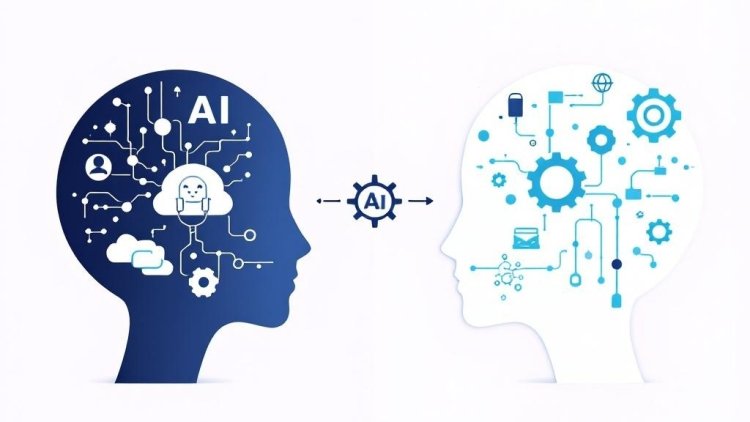
Artificial Intelligence and automation are often confused with each other. Many people use the terms interchangeably, but they are not the same.
Understanding the difference between AI and automation is important — especially as both technologies are shaping how we work, live, and use software.
Before reading this guide, you may want to review:
What Is Automation?
Automation refers to using technology to perform tasks automatically by following predefined rules.
An automated system does exactly what it is programmed to do — nothing more, nothing less.
Examples of automation include:
- Scheduled email sending
- Automatic invoice generation
- Factory assembly lines
- Rule-based chatbots
- Software macros
Automation focuses on efficiency, speed, and consistency.
What Is Artificial Intelligence?
Artificial Intelligence goes beyond fixed rules.
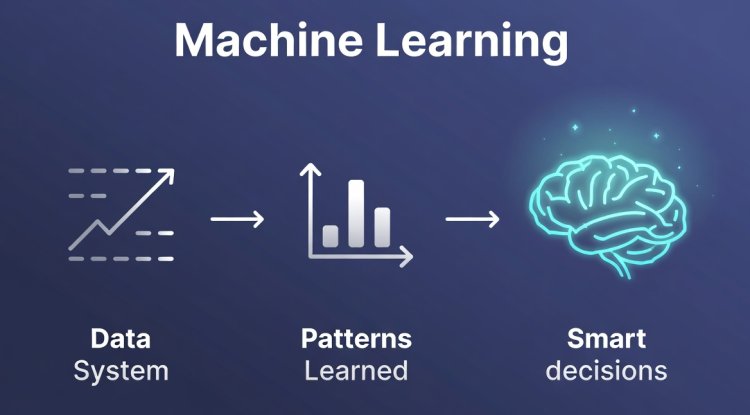
AI systems can learn from data, recognize patterns, and make decisions in situations they were not explicitly programmed for.
Most modern AI systems rely on machine learning to improve over time.
If you want a detailed explanation, read: How Machine Learning Works .
Key Difference Between AI and Automation
The core difference lies in adaptability.
| Automation | Artificial Intelligence |
|---|---|
| Follows fixed rules | Learns from data |
| No learning capability | Improves over time |
| Predictable behavior | Adaptive behavior |
| Same output every time | Can vary output based on context |
Can Automation Exist Without AI?
Yes. In fact, most automation systems do not use AI at all.
Traditional automation existed long before artificial intelligence became popular.
Examples include:
- Traffic lights on timers
- Simple workflow automation
- Mechanical production lines
Can AI Exist Without Automation?
AI systems often include automation, but AI itself is not automation.
Automation executes tasks. AI decides how tasks should be executed.
In practice, AI and automation are frequently combined to build intelligent systems.
AI + Automation: Working Together
Many modern tools use AI to make decisions and automation to carry them out.
Examples include:
- AI detects spam → automation deletes the email
- AI predicts demand → automation adjusts inventory
- AI analyzes customer intent → automation sends responses
This combination is often called intelligent automation.
Which Is Better: AI or Automation?
Neither is “better” — they serve different purposes.
- Use automation for repetitive, predictable tasks
- Use AI for complex, data-driven decisions
Choosing the right approach depends on the problem you are trying to solve.
Is Automation Replacing Jobs?
Automation replaces tasks, not entire professions.
AI and automation are shifting job roles rather than eliminating human work completely.
People who understand these technologies are better prepared to adapt.
How This Fits Into AI Types
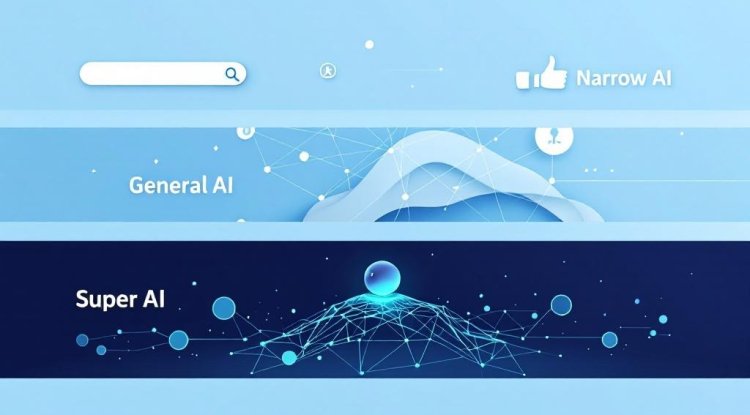
Most AI-powered automation systems fall under Narrow AI.
To understand where this fits in the AI landscape, read: Types of Artificial Intelligence Explained .
Common Misconceptions
- Automation is not intelligent by default
- AI does not mean full autonomy
- AI systems still require human oversight
Separating hype from reality helps build realistic expectations.
Why This Difference Matters
Understanding AI vs automation helps you:
- Choose the right tools for your needs
- Understand technology limitations
- Avoid misleading marketing claims
- Make informed business or career decisions
What You Will Learn Next
Now that you understand the difference, the next step is exploring the different types of AI and their capabilities.
Final Thoughts
Automation follows instructions. Artificial intelligence learns from experience.
When used correctly, both technologies can work together to improve efficiency, accuracy, and decision-making — without replacing human intelligence.
At FutureExplain, our goal is to help you understand these technologies clearly, without hype or fear.
Share
What's Your Reaction?
 Like
0
Like
0
 Dislike
0
Dislike
0
 Love
0
Love
0
 Funny
0
Funny
0
 Angry
0
Angry
0
 Sad
0
Sad
0
 Wow
0
Wow
0









Please keep publishing content like this.
Clear explanation without unnecessary jargon.
Understanding this difference really matters. Thanks!
Nicely structured and easy to follow.
This should be required reading for beginners.
Can you write more articles about automation tools?